Celebrating California Oaks

Californians love to brag about their trees. We will tell you that we have the tallest, most massive and the oldest trees in the world – the coast redwood, the Sequoia redwood growing in the midSierra and the bristlecone pine which is found in a small area of the White Mountains east of the Sierra.


In my view, we should save our bragging rights for our native oaks – the 20 species (40 if you count the hybrids). some of which only grow in our state. I give my vote to our coastal live oak. This evergreen oak is only found along the coast from Mendocino County to Baja California. The nutritious acorn was the staple food for the Chumash. The women ground the acorns in their stone mortars and rinsed out the bitter tannins in running water. (Now that I’ve found a source of acorn flour, I’m going to try my hand at baking acorn bread).


The coast live oak is the commonest tree species on our campus with three individuals distinguished by their size. One tree, 50 feet wide, spreads across the Life Center courtyard with a luxuriant canopy of small leaves; a second is located in the large lawn below Westview and Northview; and the third, the largest, is next to the Rose Garden with an 80-foot-wide canopy and a stout trunk measuring ten and half feet in circumference. Most often, the oaks are sprouted from an acorn buried by a scrub jay and then forgotten about.


Thank you, Jesus and Pedro for measuring the circumference of the three largest oaks!
All The Work They Do

Last week several of us walked the campus doing a rough count of the trees. We counted 353 individual trees representing 38 species. One member of our group researched the carbon dioxide capture (“sequester”) for many of the species we identified. The amount of carbon dioxide absorbed varies with the type of tree, but overall, the trees at Samarkand capture at least 8 tons of carbon dioxide each year while releasing over 6 tons of oxygen.

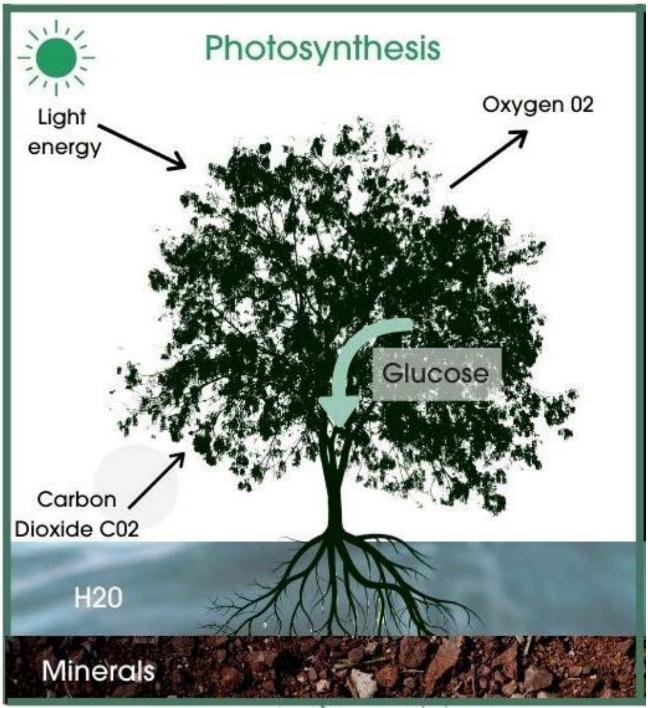
Through photosynthesis, leaves do some of the work by pulling in carbon dioxide and water, using the energy of the sun to produce the sugars that build trunks, branches and roots. Oxygen is released as a by-product. One large tree can provide a day’s supply of oxygen for three or four people.

The carbon dioxide that trees capture helps clean the air by removing this heat-building greenhouse gas with its negative effect on our environment. Some of the carbon dioxide is released over time when discarded leaves decompose or when a tree dies and decays.

At the risk of being called a “tree hugger,” hug your favorite tree anyway and thank it for all the work it does for you. And take a deep breath, pulling in some of that life-giving oxygen.

The Trees Of Samarkand

How many of us chose to spend our final days at Samarkand because of its natural beauty? The 16-acre campus occupies a knoll above Oak Park with splendid views of the Santa Ynez mountains.

Canary Island Pines

With the manicured gardens of sub-tropical plants and its native plant garden, it is the trees that command your attention. Along with the California native Live Oaks, there are some 25 different species of trees on campus, and according to John Campbell, 100 individual palm trees. Joyce and Allan Anderson came up with the excellent idea of labeling the trees along the walkways with raised signs and lettering large enough to easily read. We hope to produce a pamphlet with more information about the trees that would be interesting to those taking a walk.

In the meantime I’m spending time with individual trees, listening to how the wind gives them a voice. Under the Canary Island Pines, it is a sweet humming. Listening to the Fan Palm can sound like rain falling on a metal roof. I invite you to listen, too!

For more about trees, go to philarogers.com