Celebrating the Trees of Samarkand

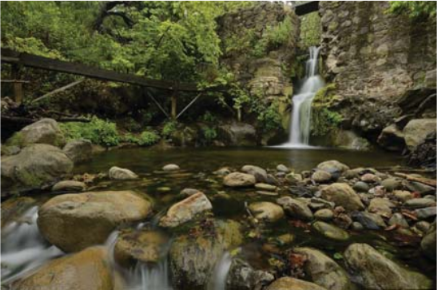
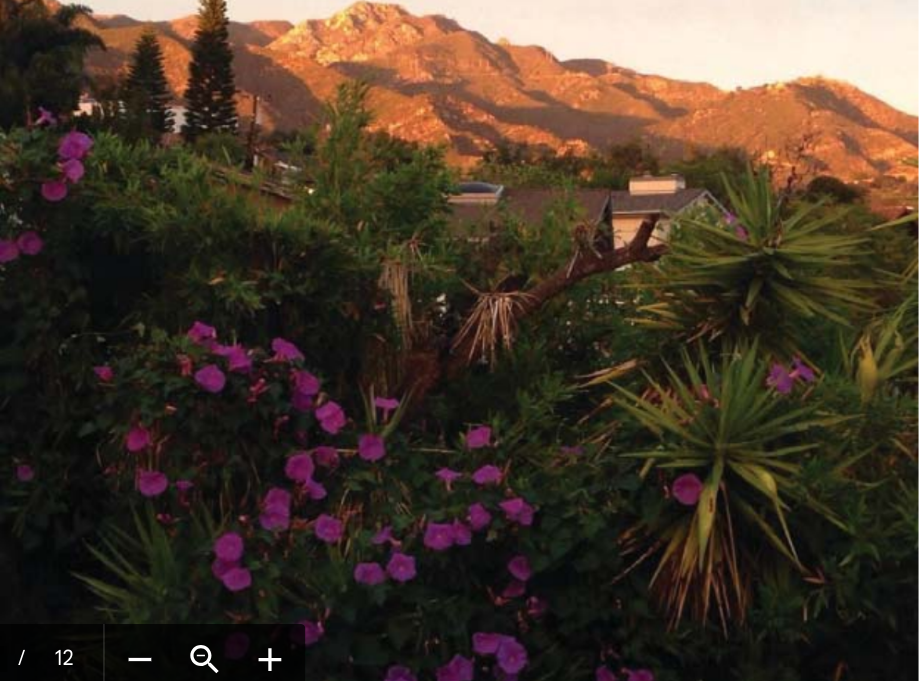
I’ve discovered I’m not alone in choosing to live at the Samarkand for its natural beauty. Located on a knoll with Mission Creek at its base, there are wide views of the mountains and glimpses of the ocean. But mostly it’s for the gardens that bloom and an abundance of trees worthy of an arboretum.

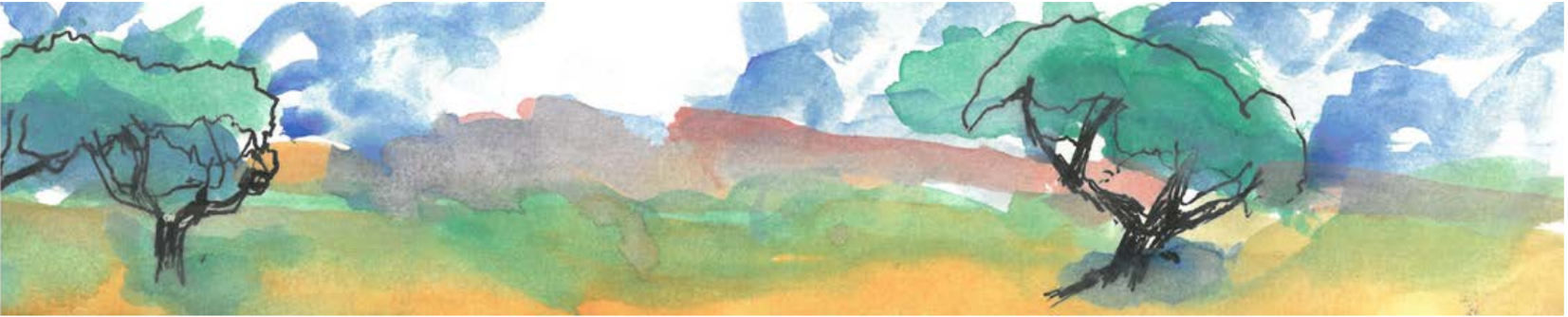
The biggest California Live Oaks on the property once provided the acorns that the Chumash women would grind with their mortars and pestles into the meal that was the staple of their diet. The giant Southern Magnolia and the nearby koi pond date back to the elegant Samarkand Hotel that opened in 1921.
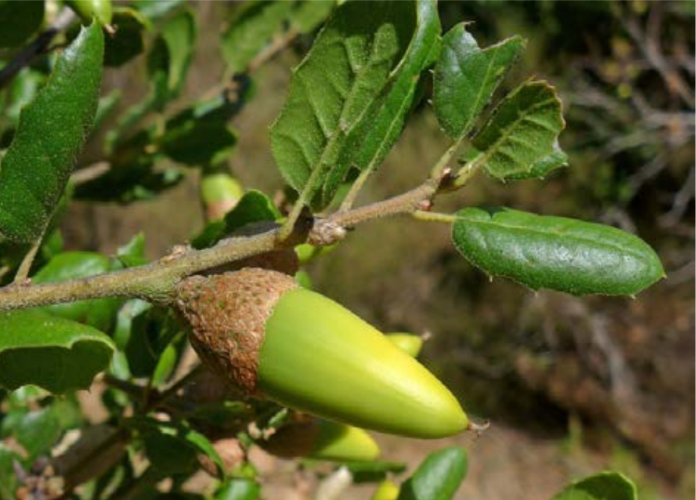
Image courtesy calscape.org


Recently, several of us took a walk around the 16 acres of our campus. We counted approximately 350 trees representing 36 species. Our fellow resident Craig Smith, an engineer who lives with his wife Nancy in Magnolia East, has co-authored two books
on the science behind climate change. Utilizing this information, he computed the amount of carbon dioxide sequestered (absorbed from the atmosphere) by the trees on our campus to be an amazing 14 metric tons annually. He also noted that our California Live Oak is the most efficient at absorbing carbon dioxide.

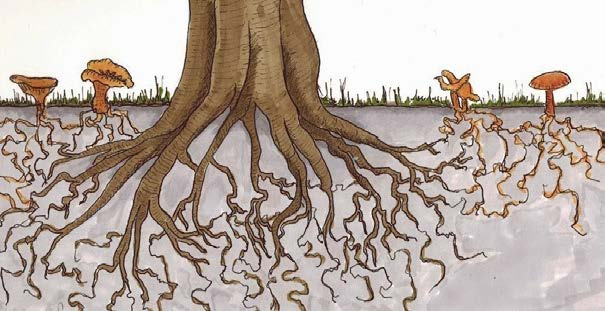
The Arboreal Internet

“One for all, and all for one” – Dumas
(Illustration courtesy Kauai Seascape Nursery)

Before taking a deep dive underground, I must pay tribute to leaves for their remarkable abilities. If a predator begins munching on the leaves of one tree, that tree sends a chemical signal to nearby trees warning them to mount their defenses. The neighboring trees respond by sending substances into their leaves which makes them unpalatable. And it is in the leaves where photosynthesis takes place by combining water, sunlight and absorbed carbon dioxide to produce sugar, the staple food for the tree and nutritional support for nearby trees in need through the mycelium network under the ground.

The Underground Network

Mushrooms are the part of the fruiting cycle where
scattered spores keep the mycelium growing
(Illustration courtesy Kauai Seascape Nursery)

Mycelium are threadlike strands of fungi that attach themselves to tree roots of different species, creating what one researcher calls “nature’s world-wide web.” Trees have a way of communicating with one another. They can send nutrients like nitrogen and phosphorus to an ailing neighbor, making up part of the vast system that supplies water and nutrients to undernourished trees nearby. And the underground network also sends warning messages and alerts about impending conditions like drought.

Understanding the language of trees is an ever-expanding field of research, and for the student like myself, this knowledge deepens my awareness of trees. No longer can I consider trees non-sentient beings as I once believed. Their own particular form of “intelligence” may help trees survive in a changing world.

The Wind in the Trees

I love the wind, the way it animates the landscape by setting trees into motion and sends clouds scudding across the sky. Samarkand is not only a senior living facility, but also an arboretum, with 350 individual trees representing 35 species, many of them labeled. Here I can further hone my skills identifying trees. As Canary Island Pines sift the wind with their slender needles, they murmur and sigh. With their long leathery leaves, blue gum eucalyptus trees sound in a good wind like falling water. The palms are the noisiest of all, and their colliding fronds remind me of the sound of a downpour falling on a metal roof.

Recently, three of us decided to listen to trees in a different way. We engaged retired doctor Bill Macpherson and his stethoscope to hear the sounds produced by both a redbud and a sycamore tree that were each producing a new crop of fresh leaves. Pressing the cup of the stethoscope against the thin bark, we each got different results. Bill heard a sound like water rushing up a pipe. I heard faint popping sounds and a low-pitched gurgle. Ann Allen, perhaps less susceptible than Bill and I, heard nothing. We plan to wait for a hot day and try again.

A Softer World

When my 95th birthday came around in the first week of April, I suggested to my son that we take a ride over the mountains to the Santa Ynez Valley. In this second generous winter in a row when rainfall exceeded the annual normal, I was eager to see the green landscape. My son doubted I could see much. 

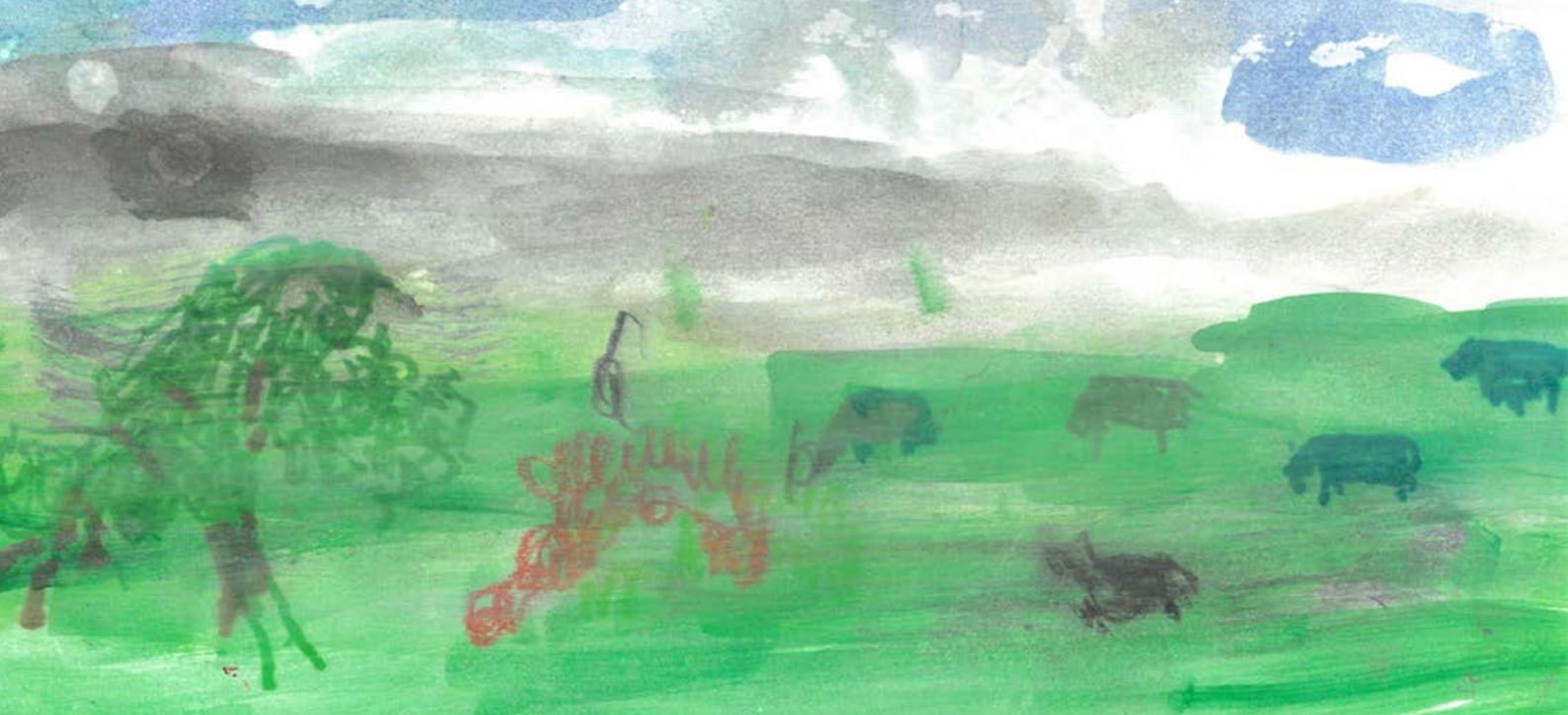
But I had a new strategy. I would look carefully and then I would employ what I call “historical memory.” When I saw the elegant Valley Oak in its pasture I remembered from earlier times its far reaching branches and the scalloped leaves unfurling. I saw the black cattle and I recalled again how they stood belly deep in the fresh grass. When we passed a small tree with billowing pale blossoms, I knew it was a light blue ceanothus.

Life is different now that I have lost half my eyesight. It is a softer world, as if enveloped in a light haze. I’m taking out my paints again so I can show you what I mean and how each vivid orange poppy still calls attention to itself. And above all, the skies filled with April clouds truly speak to me with their vaporous edges and changing shapes.

On Growing Up in Santa Barbara – SHIRLEY ROBY

Shirley Roby was born at Cottage Hospital in 1942. Home was just around the corner near Oak Park. Before she was a year old, she and her parents moved to Hillcrest Road on the back side of the Riviera. The home had generous gardens, a pond and is still the family home, presently occupied by her daughter and husband.

With no school bus serving children in the hills, most mornings Shirley traveled down the hill to Jefferson Elementary School with her father, who was a banker in town. Her mother was a local historian who wrote regular columns in the Santa Barbara News- Press and authored a book about the Santa Barbara Fiesta.

Shirley started playing the violin at 5 years old and, like Alita Rhodes, played in the city-wide summer orchestra and went to YWCA camps at Pine Mountain and on Catalina Island.

After graduating from Santa Barbara High School, she headed north to attend Lewis and Clark College in Portland, which is where she met her husband-to-be, Kib.

The Eastern Sierra drew the family away over the years, first to Lake Mary and then to – Lake George. Later, Shirley and Kib (assisted by their two children) owned and operated the Rock Creek Lodge – at 9,300 feet, a popular jumping-off place for hikers and fishermen.

Sandstone — Santa Barbara’s Backbone

When I got to know fellow Samarkand resident Irene Coker, I learned she had her own Santa Barbara story. Though born in Santa Barbara, she grew up elsewhere, returning when she was 18 years old. But her great-uncles had come to Santa Barbara years before from Italy, working first as gardeners in Mission Canyon and then later as stone masons, constructing walls near the Mission.

It was the talented stone masons from Italy who gave Santa Barbara its distinctive look with their handcrafted buildings, walls and bridges, many made using our local sandstone.

A trip to the Santa Barbara Botanic Garden in Mission Canyon will show you even earlier uses of sandstone. In a climate with a short rainy season, the Mission Fathers realized they would have to store water to see them through the long dry season. You can still see the dam built by the Chumash people in the early 1800s under the supervision of the Mission Fathers. The water was impounded by the dam and later traveled down to the Mission gardens via aqueducts. At the Garden, you can also see one of the immense boulders brought down from the mountains in an earlier debris flow.

I love the sandstone features all over town, I’m glad most of the sandstone remains on the mountain slopes, because when we walk at the end of the day the setting sun turns the sandstone a glowing orange as if illuminated from within.